
Recurring Payments: What to Plan Before Offering Subscriptions
Plan authorization, billing changes, and customer communication before launching recurring charges.
By XWeb Pros Editorial Team
November 1, 2026
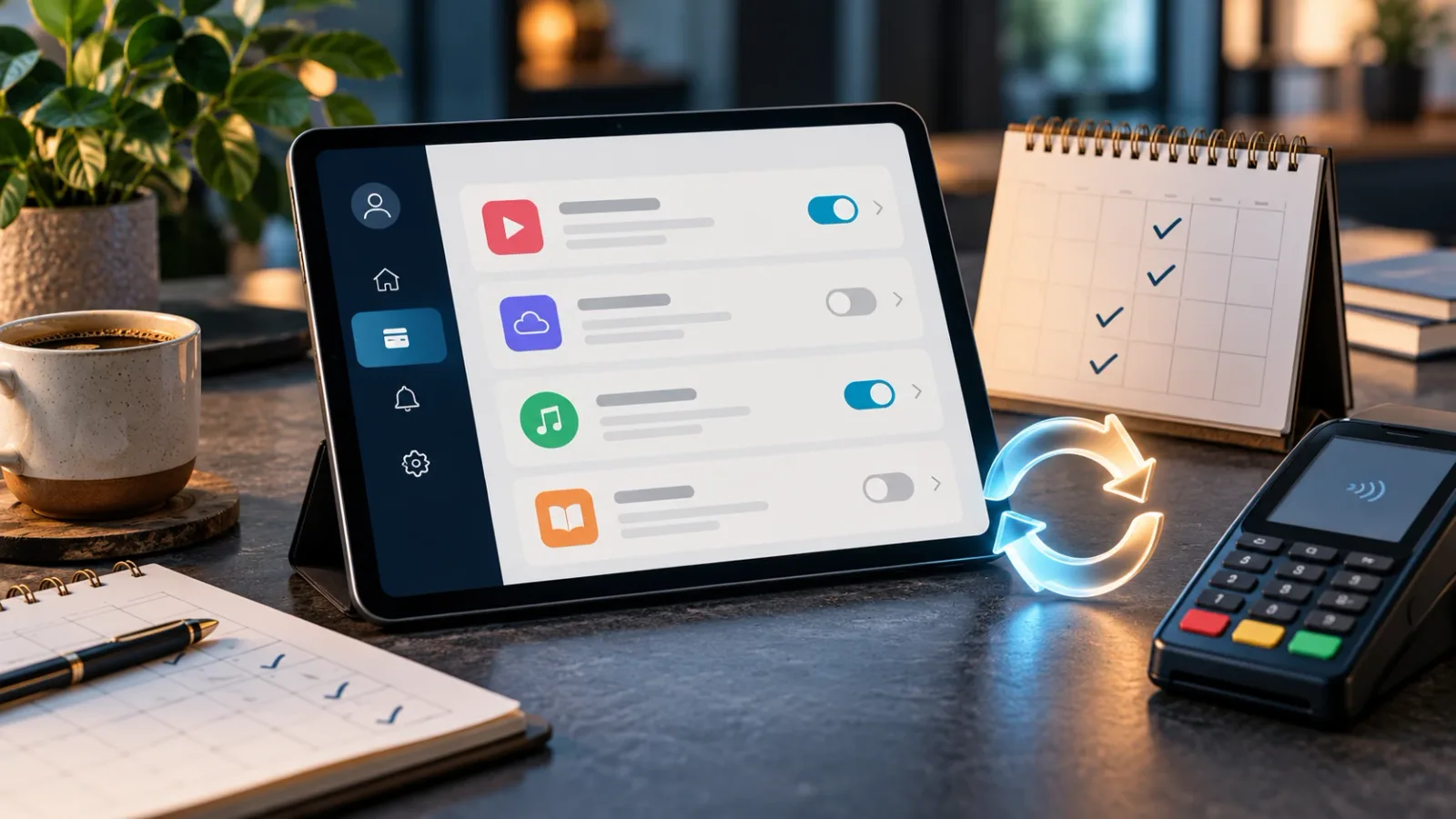
Recurring billing can simplify an ongoing service, but it creates continuing responsibilities. Design the account lifecycle before collecting the first payment.
Explain the commitment
Make the amount, billing frequency, start date, and relevant cancellation terms understandable before authorization. If pricing can change, explain the applicable process in the agreement.
Distinguish a subscription from installments toward a fixed balance. Customers need to know whether charges continue indefinitely or stop after a defined total.
Handle change and failure
Plan failed-payment notifications, payment-method updates, cancellations, refunds, and service-status changes. Decide who can make adjustments and how those changes are recorded.
Retries should follow the provider’s supported approach and avoid duplicate charges. Reconcile notifications with the actual payment state.
Protect payment information
Use payment-provider tools for handling stored credentials and review your responsibilities with the provider. Outsourcing payment handling does not make every website or business process automatically compliant.
Give customers clear receipts and a way to ask billing questions. Staff should be able to identify the agreement and history behind a recurring charge.
A dependable subscription experience combines clear authorization with accurate ongoing records. The automation is useful only when the exceptions are handled just as deliberately as the successful payments.
Want help applying this to your business? Book a Discovery Call with XWeb Pros.
Explore the related XWeb Pros service.
Further reading
All insightsRelated insights
- Merchant ServicesUnderstanding Credit Card Processing Fees on Your Merchant StatementRead processing statements with attention to total cost, transaction patterns, and contract terms.Read
- Merchant ServicesPayment Gateway vs. Merchant Account: What’s the Difference?Understand the different roles behind accepting an online payment.Read
- Web DesignWebsite Redesign or Simple Update? How to Tell What Your Business NeedsDecide whether targeted changes or a broader rebuild will address your website’s real business needs.Read