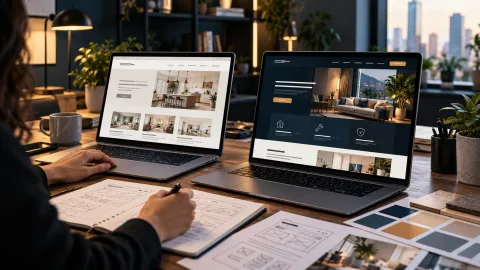
Template Website or Custom Build? Choosing the Right Fit
Choose a website foundation based on requirements, ownership, and the cost of future changes.
By XWeb Pros Editorial Team
November 1, 2026
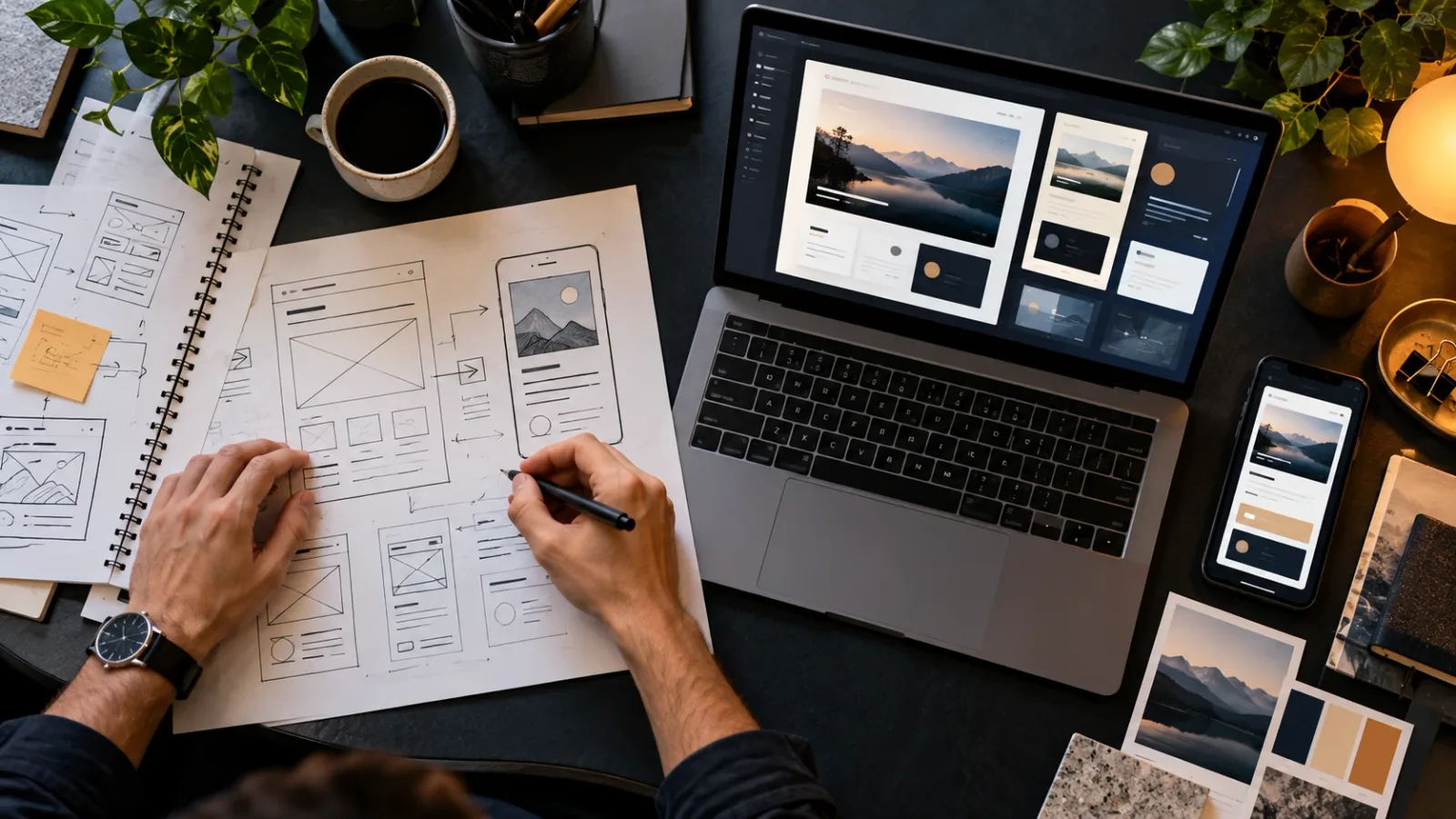
Templates and custom builds both have a place. The useful question is how well the approach supports your content, customer journey, and operating needs.
Define the non-negotiables
List the functions you genuinely need: service pages, a catalog, booking, a portal, or connections to existing systems. Separate launch requirements from ideas you can introduce later.
A template may provide an efficient starting point for familiar page structures. A custom implementation may be worthwhile when workflows or interfaces need more flexibility. Neither label guarantees quality.
Compare the whole project
Ask what is included in content entry, responsive layouts, forms, migration, and ongoing maintenance. A low initial price can become less attractive if ordinary changes require repeated workarounds.
Also confirm who controls the domain, files, accounts, and business data. Understand what can move if you change providers.
Choose for the next realistic stage
You do not need to build every possible future feature today. You do need a clear explanation of how likely additions would work.
Compare proposals against the same requirements. The best fit is the approach your business can afford, maintain, and use effectively.
Want help applying this to your business? Book a Discovery Call with XWeb Pros.
Explore the related XWeb Pros service.
All insightsRelated insights
- Web DesignWebsite Redesign or Simple Update? How to Tell What Your Business NeedsDecide whether targeted changes or a broader rebuild will address your website’s real business needs.Read
- Web DesignWhat Should a Small Business Website Actually Do?Give your website clear jobs: explain your offer, build confidence, and help visitors take action.Read
- Web DesignWhy Your Website Gets Visitors but Not InquiriesFind the gaps between attracting a visitor and earning a qualified inquiry.Read